A 3D model is a digital three-dimensional shape that typically represents an object, person, animal, vehicle,… basically anything.
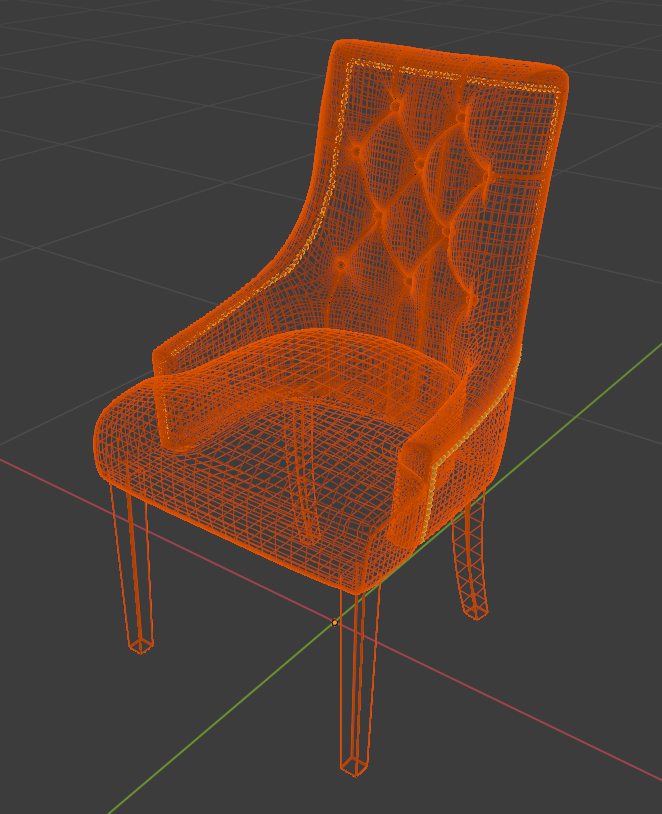
"Wire-frame" representation of a 3D model.
3D refers to the 3 dimensional space in which the model is represented. Following mathematical conventions, these dimensions are most often described as being the X-, Y-, and Z-direction, or left-right, front-back and up-down.
First off we have to make the distinction between CAD (Computer Aided Design) and polygonal modelling. In CAD, which is used in technical fields such as architecture and engineering, the model is made up of mathematically calculated surfaces. These models are extremely precise as they are used in production environments that require very tight tolerances.
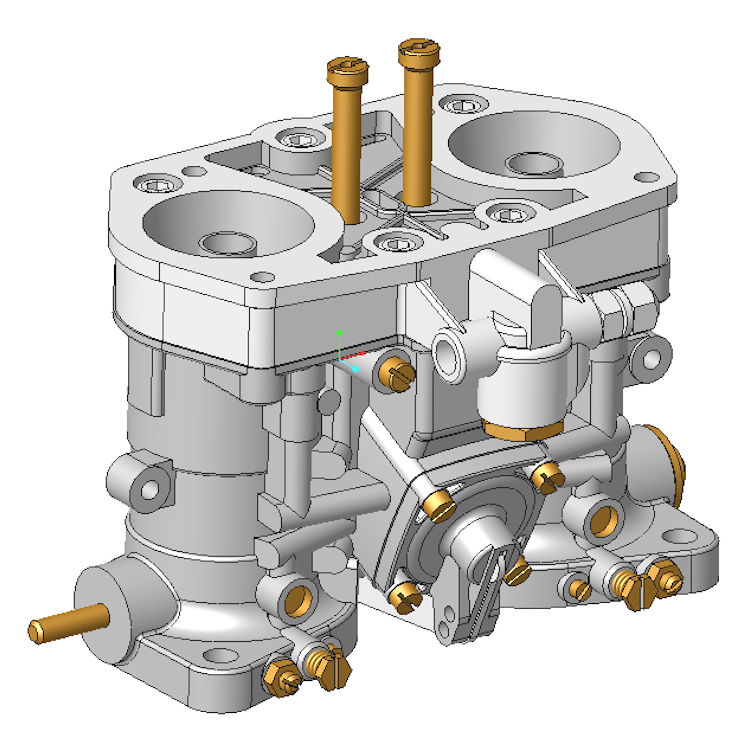
Example of a technical CAD model.
The second category is polygonal modelling, whereby models are built up by a mesh of connected surfaces, usually triangles or quadrilateral shapes. In comparison to CAD models, polygonal models are less precise but offer much more creative freedom and are easier to create organic shapes with. This makes them the method of choice for industries such as animation movies, gaming, and interior design.
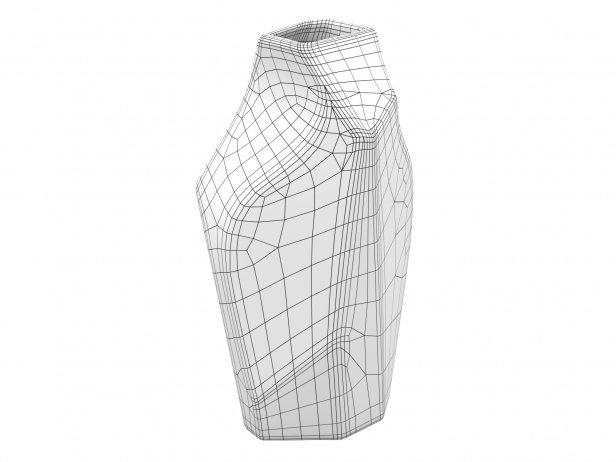
Example of a polygonal model. Note the more organic shape and individual surface "facets".
We often refer to models as being "low-poly" or "hi-poly". These terms refer to the resolution of the model. When displaying a model, the computer needs to calculate how light reflects of each surface that makes up the model. Therefore, the more surfaces there are, the more calculations required and the longer it takes the computer to display or render the model.
On the other hand, a denser mesh (meaning there are more surfaces squeezed into the model) means more fine detailing is possible. High-poly models are mainly used in photo realistic, static renders that result in a regular image. Low-poly models are usually required when the end result is dynamic, for example a VR experience, movie, game, online configurator etc.
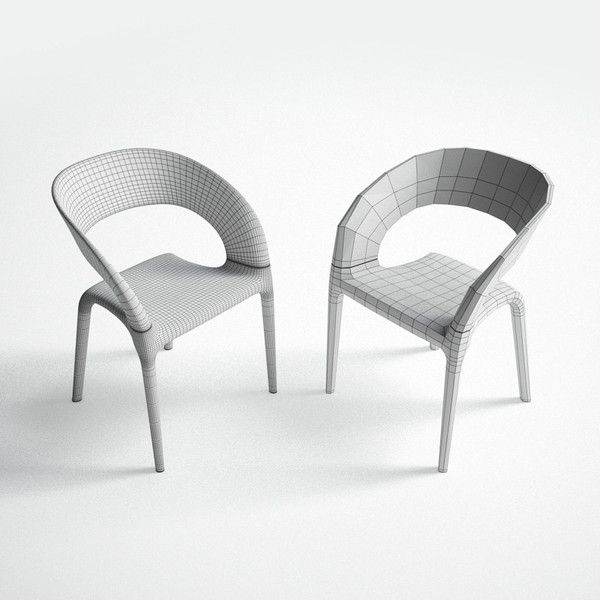
Example of the same chair in "high-poly" (left) and "low-poly" (right). More polygons equal smoother quality and detail but are also heavier for the computer to calculate.
Models are most often not a singular shape, meaning they usually consist of multiple parts. For example, a chair model can consist of the following separate parts; legs, seating and stitching. This separation is necessary to be able to apply different materials to the parts, for example, wood for the legs, fabric for the seating and thread for the stitching.
One additional benefit of having the model consist of different parts, is that it becomes easier to adapt the model. For example, we could show a variant with wood and metal legs, or show the chair with and without decorative cushions.
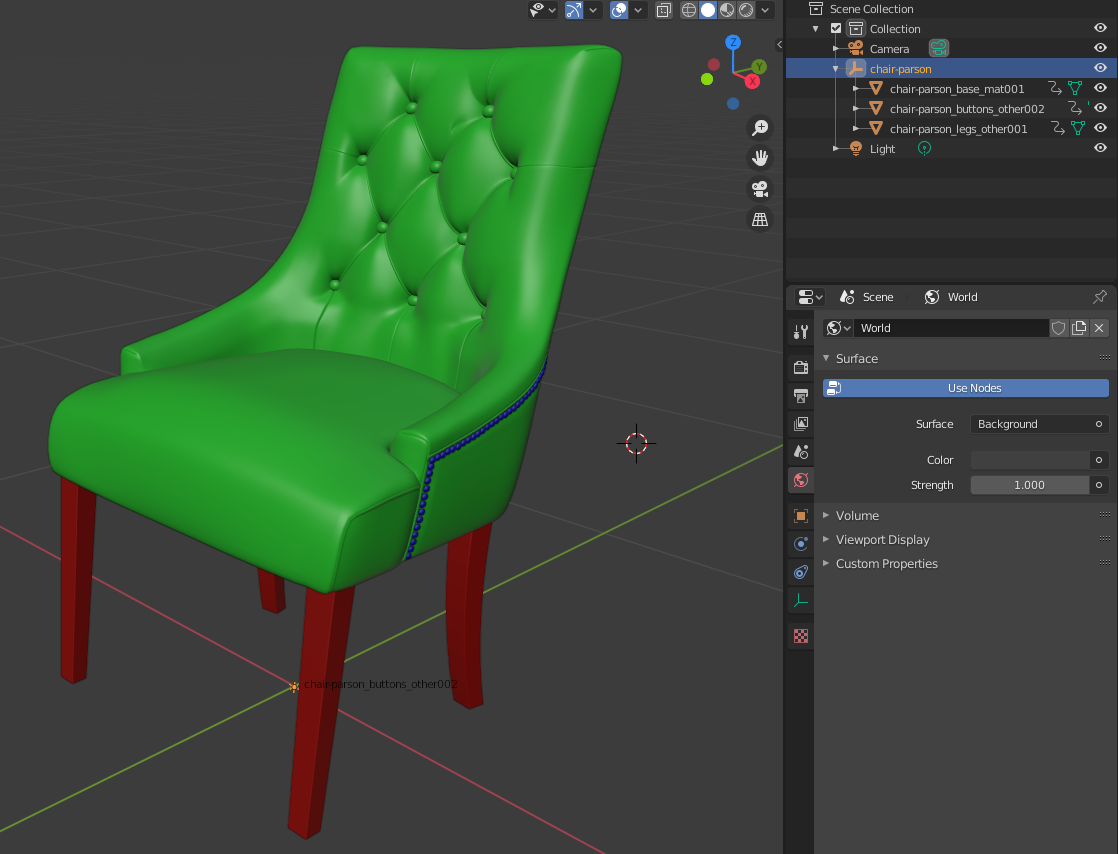
Example of the various parts that make up a chair, in this case; upholstery (green), legs (red) and buttons (blue).